Slot machines have been a staple of gambling halls and casinos for over a century, evolving from mechanical marvels with flashing lights and clinking coins to digital games accessible through your web browser anywhere in the world. But what exactly distinguishes a cabinet slot from a browser slot? Why do they look and feel different, and how has the game experience changed over time?
Let’s unpack these differences by looking at four key areas where the two diverge and overlap: automation via coin mechanisms, the iconic reels and outcomes, classic slot iconography, and the transition from electromechanical hardware to digital interfaces with bigger payouts. This exploration will help fans both old and new understand what’s stayed the same—and what has truly changed—as slot machines have moved from dusty casino floors to sparkling online lobbies.
1. Automation via Coin Mechanisms: Physical Hardware vs. Digital Interfaces
The most obvious difference between cabinet slots and browser slots is in their physical presence—or lack thereof. Early slot machines were bulky physical cabinets, typically made of heavy wood or metal, housing intricate mechanical components. oddee.com The coin mechanism was central to their operation:
- Coin or token acceptance: Players inserted real coins or tokens that would trigger internal mechanical actions. Mechanical reels: Spinning metal or plastic reels with printed symbols physically rotated to display the outcome. Payouts: If the result was a win, coins were dispensed through a hopper directly to the player.
The automation was elegantly simple: insert a coin, pull a lever or press a button, and the machine did all the work mechanically to produce a random result. The coin mechanisms also served as a self-contained accounting system, controlling gameplay and payouts with no external computing power.
Browser Slots: Automation in Code
Fast-forward to the digital era, and this automation still exists—but it’s now coded inside software rather than inside gears and springs. Web browser games simulate that coin insertion and reel spin experience through user interface elements and back-end random number generators (RNG). Some differences stand out:
- No physical coins are inserted: Instead, players select wagers using virtual credits or real money via online wallet systems integrated into the online lobby. Automated spins: Players press “Spin” to run the RNG which simulates reel outcomes instantly. No physical payout trays: Wins are automatically credited to the player's account, removing the need for hoppers or coin return chutes.
Even though there's no clinking of metal or coin sliding into a slot, the automation concept is the same—the machine handles everything from wager to result delivery in a seamless digital process.
2. Readable Outcomes and the Three-Reel Template
Both cabinet and browser slots heavily rely on readable outcomes to ensure players understand if they won or lost. The most enduring design is the three-reel template, which has shaped slot gaming since its earliest days.
Cabinet Slots: Mechanical Reels Spinning for Real
The classic cabinet slot delivers tangible feedback through rotating reels covered with iconic symbols. The three-reel layout offers a simple, easily understandable gameplay mechanic where the outcome is displayed on a single payline or multiple lines aligned horizontally or diagonally.
- Physical motion: Seeing the reels spin builds anticipation and excitement. Fixed reel strips: Each reel contains a predetermined sequence of symbols. Randomness: The randomness was achieved mechanically by the speed and stopping mechanism of the reels, aided later by electromechanical components.
Browser Slots: Simulated Reels and RNG
Browser slots replicate that experience with graphical representations of spinning reels, sometimes maintaining the visible three-reel setup and other times expanding to five or more reels. But the underlying mechanism is fundamentally different:
- Everything runs on RNG: The outcome is decided the moment the spin button is pressed rather than by simulated reel rotation. Visual embellishments: Spin animations replicate the look and feel of physical reels for player engagement. Easier customizations: Developers can add multiple paylines, bonus rounds, and mini-games without mechanical limits.
Despite the differences in technology, the readable outcome concept remains at the heart. Players watch reels, or their digital equivalent, come to rest to know whether they scored a payout.

3. Iconography: Fruit and BAR Symbols
When it comes to slot iconography, classic fruit and BAR symbols remain one of the longest-standing traditions carried over from cabinet slots into browser slots.
Origin of the Fruit and BAR Symbols
The fruit symbols—cherries, lemons, plums, and watermelons—originated from the early 1900s to represent flavoring for gum or candy substitutes. The BAR symbol traces back to the Bell-Fruit Gum Company logo, which used it on its machines to signify a winning prize of gum rather than cash money in jurisdictions where cash payouts were restricted. These images became instantly recognizable and are still popular for their nostalgic appeal.
Cabinet Slots: Tangible Iconography
On physical reels, these symbols were printed on metal strips or painted onto the reels directly. The tactile feedback of seeing these symbols in bright colors spinning on the reels and clicking to a halt was part of the charm and atmosphere. The bells, horseshoes, stars, and lucky sevens joined the fruit and BAR icons to create a versatile vocabulary for slot game storytelling.
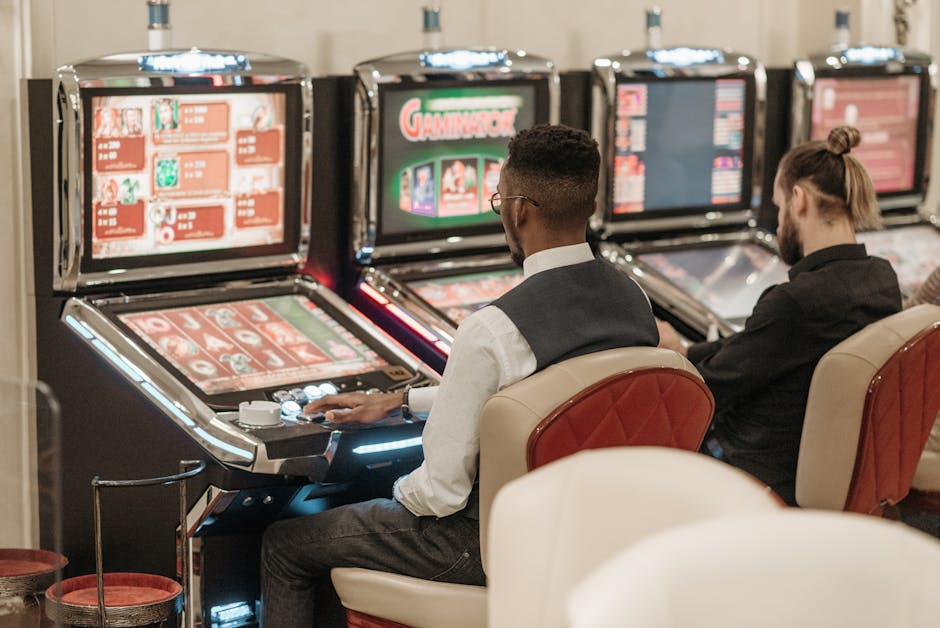
Browser Slots: Digital Replication and Expansion
Online slots faithfully reproduce this iconography in beautifully rendered digital form. The computer graphics allow for sharper, more vibrant images and animated symbols that flash, blaze, or perform little dances when players hit a combination.
- Classic modes: Many browser slots keep the traditional fruit and BAR symbols to evoke nostalgia. Themed games: Other browser slots go beyond with wild animals, fantasy creatures, or branded icons for more complex themes. Animated feedback: Symbols can light up, glow, or explode digitally—all impossible in old cabinet machines.
So while the iconography has stayed remarkably consistent over a century, the ways in which they engage players visually have expanded dramatically in the online space.
4. Electromechanical Transition and Bigger Payouts
The history of cabinet slots includes an important evolutionary step: the electromechanical transition starting in the 1960s.
Before Electromechanical Slots
Purely mechanical slots operated entirely by gears and levers, with randomness based on complex mechanical friction and timing. Payouts were limited by the size of physical hoppers and the machine's coin capacity.
Electromechanical Innovations
Transitioning to electromechanical technology introduced electric motors and switches, giving developers more precise control:
- Better payout calculations: Electric components allowed for larger jackpots without physically loading the machine with excess coins. New gameplay features: Timed payouts, multiple pay lines, and bonus wheels became possible. Improved reliability: Reducing mechanical wear and tear while keeping many of the sensory delights intact.
Browser Slots: Unlimited Payout Potential
Online slots have no physical constraints on payout size or speed. Because they operate purely in software:
- Jackpots can reach millions and are often linked across thousands of machines globally. Bonus rounds and complex paylines add layers of excitement and winning chances. Payouts credit instantly: No physical hopper, no waiting for coins.
While the cabinet slots ushered in bigger payouts via technology advances, the browser slots have removed most limits, opening entirely new horizons for intrinsic game complexity and potential rewards.
Summary Table: Cabinet Slot vs. Browser Slot
Feature Cabinet Slot (Physical Hardware) Browser Slot (Web Browser Games) Automation Mechanical & electromechanical coin mechanisms and physical reel spinning Software-based RNG with digital spin animations; no actual coins Outcome Display Three physical spinning reels visible to player Simulated reels with 3 or more reels graphically rendered Iconography Classic fruit, BAR, bells, sevens printed on reels Same symbols digitally recreated; plus animated and themed graphics Payout Method Coins dispensed from hopper or coin tray Instant credit of winnings to online player account/wallet Payout Limits Limited by physical hopper capacity Practically unlimited; jackpots can be huge and progressive Gameplay Features Simple paylines, mechanical bonuses (like bells or jackpots) Multiple paylines, bonus games, free spins, wilds, scattersClosing Thoughts: Tradition Meets Technology
Cabinet slots and browser slots represent two eras of the same gaming tradition, connected by the desire to entertain, create suspense, and reward luck. What’s remarkable is how many elements have persisted:
- The attraction of three spinning reels or their digital equivalent The iconic fruit and BAR symbols that form the genre’s visual DNA The core gameplay loop of wagering coins or credits and seeking winning symbol combinations
Yet, the shift from physical hardware with coin mechanisms to the immersive digital world has introduced levels of gameplay depth, payout size, and convenience unimaginable during the first mechanical slots’ heyday.
For anyone diving into the online lobby of a modern casino or free play platform, understanding these differences adds a richness to the experience. You’re not just clicking a button; you’re participating in a long story of gambling innovation—one that keeps spinning forward, whether it’s a brass coin dropping into a cabinet or pixels lighting up on a screen.