Have you ever noticed how scrolling through your smartphone can make watching a movie, playing a slot game, browsing social media, or listening to a podcast feel oddly similar? Despite the wide variety of entertainment options available, your phone tends to present them all through the same digital lens. This "blurring" of entertainment categories is no accident — it's a result of how smartphones have evolved to become our primary devices for everything we consume. In this post, we'll explore why your phone makes every type of entertainment feel the same, highlighting the role of companies like MrQ, regulators such as Ofcom and the UK Gambling Commission, and the technological tools you use every day like mobile browsers and Android devices.
Smartphones as the Primary Device for Entertainment
For millions of people in the UK and around the world, the smartphone is the go-to device for entertainment. This shift hasn't just been incremental; it's transformative. According to recent reports from Ofcom, mobile devices have surpassed traditional desktops and even TV sets as the primary screen where people watch videos, play games, listen to music, and interact socially.
Why does this matter? When a single device becomes a hub for multiple forms of entertainment, those experiences often converge to fit the constraints and expectations of that platform. This convergence leads to what we call blurred entertainment categories — where the lines between watching, playing, reading, and socializing get thinner and thinner.
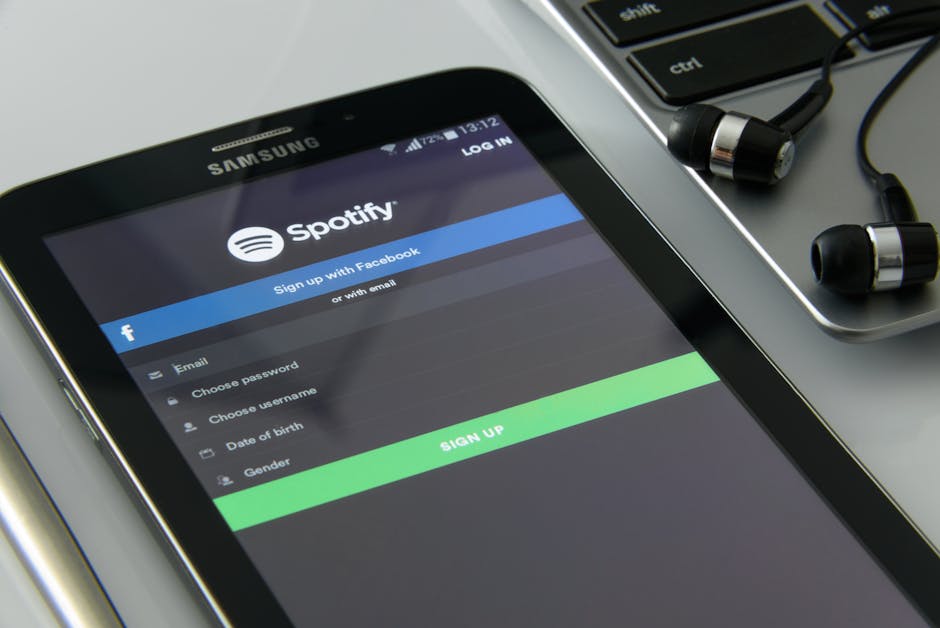
The Rise of Mobile-First UX Expectations
Because most entertainment is consumed on smaller screens, developers and companies design their apps and websites with mobile-first principles. This means large, tappable buttons, simplified navigation, and interfaces optimized for quick, interruptible sessions. Whether you're opening a MrQ bingo game or streaming your favorite show, the experience is tailored to short bursts of attention punctuated by real-life distractions.
These mobile-first UX expectations shape how entertainment feels on your phone: fast to access, easy to pause, and generally similar in layout. For example, MrQ, a UK-based online bingo and casino site regulated by the UK Gambling Commission, designs its mobile interface so players can jump in a game within just a few taps—even on slower mobile connections or Android devices with limited processing power.

Short Sessions and Flexible Schedules
The way people consume entertainment on smartphones also affects the perception of sameness. Unlike traditional entertainment that might command hours — watching a film or attending a live concert — mobile entertainment is often broken into smaller, flexible chunks. Users might:
- Watch a 5-minute YouTube clip while waiting for the bus Play a quick online bingo round on MrQ between meetings Scroll social media feeds for 10 minutes in bed Listen to a podcast episode during their daily commute
When all these experiences are woven into the same daily routine and consumed in similar fashion — tapping, swiping, pausing — distinctions blur. Your brain adapts to this pattern of "quick hits," often perceiving various entertainment types as just different flavors of the same activity on your phone.
This Flexibility Demands a Consistent Experience
Designers know this, so they aim to create interfaces that let users switch between entertainment types fluidly and without confusion. This is why many apps adopt "all-in-one" approaches, incorporating video, games, messaging, and news feeds into single platforms.
All-in-One Apps and the Fate of Catalogue Size vs. Findability
One strategy companies use to keep you engaged is to build all-in-one apps that house multiple entertainment formats. MrQ, for example, not only offers bingo but integrates slots and other casino games inside a mobile app. Meanwhile, social media platforms embed video and music streaming to keep users within their ecosystem.
Though having a large catalogue sounds great in theory, it introduces a challenge: findability. With thousands of options, users can struggle to locate content quickly. On a mobile phone, where screen space is limited, this issue is amplified.
Because of this, many apps use simplified top menus, personalized recommendations, or segmented browsing options to help users filter the content fast. This often makes the browsing experience across different entertainment categories feel very similar—even if the underlying content differs.
Catalogue Size Findability Challenges UX Solutions Hundreds to thousands of games/videos Hard to find content quickly on small screens Personalized recommendations, tabs, search bars, curated lists Multiple entertainment types in one app User confusion switching between content types Consistent UI patterns, clear navigation hierarchiesUnderlying Technology: Mobile Browsers and Android Devices
Much of this unified experience you get on your phone comes down to technology. Most users access entertainment through mobile browsers or native apps on Android phones — the dominant platform in the UK and globally.
Mobile browsers like Chrome and Safari have become sophisticated at handling rich media, web games, and streaming without the need to install multiple apps. For example, you might tap a MrQ link from an ad in your browser, play a quick bingo round, then switch to YouTube all inside the same ecosystem without slowing down.
Android’s flexibility also allows developers to push updates frequently, optimize performance across a broad range of devices (from flagship phones to budget smartphones), and maintain consistent UX standards enforced by app stores and regulators.
The Role of Regulators: Ofcom and the UK Gambling Commission
As these blurred entertainment categories emerge, regulatory bodies like Ofcom and the UK Gambling Commission play essential roles in making sure consumers have safe, fair experiences. Ofcom oversees communications and media sectors ensuring content accessibility and protecting user rights. Meanwhile, the UK Gambling Commission strictly regulates operators like MrQ to protect players, enforce responsible gambling standards, and ensure transparency.
These regulations also influence app design and content delivery. For example, gambling apps must provide quick access to account controls and responsible gambling settings instead of burying these behind multiple menus—a common mobile UX challenge.
In Summary: Why Your Phone Feels Like an All-in-One Entertainment Hub
To wrap up, your smartphone makes every type of entertainment feel the same because it collapses diverse categories into a unified digital experience driven by mobile-first design and flexible usage patterns. Here’s how the main points tie together:
Smartphones as primary devices: One device fulfills multiple entertainment roles, naturally merging their digital presentation. Short sessions & flexible schedules: Mobile usage favors short, frequent interactions, leading to similar UX patterns across content types. Mobile-first UX expectations: Designers prioritize simplicity, discoverability, and speed, resulting in homogenized interfaces. Large catalogues vs findability: Huge content libraries push apps toward recommendation systems and simplified menus that look and feel alike. Technological frameworks: Mobile browsers, Android OS, and app ecosystems enable smooth cross-content experiences. Regulation impact: UK bodies like Ofcom and the UK Gambling Commission shape safe and user-friendly entertainment environments.Understanding these forces can help you navigate your phone’s https://varimail.com/articles/what-are-the-most-common-casino-game-types-people-look-for-first/ entertainment landscape more consciously. While it may feel like “everything is the same,” recognizing the design and regulatory choices behind this experience empowers you to choose when and how you engage meaningfully with your favorite apps, whether that’s playing a bingo game at MrQ or streaming a documentary.
Tips to Make Your Entertainment Experience Feel More Distinct
If you want to counteract the blurring effect and make different types of entertainment more distinct on your phone, try these:
- Use dedicated apps where possible: Instead of jumping between everything on mobile browsers, try installing apps optimized for their specific entertainment style. Customize your home screen: Create separate folders or screens for video, games, music, and social media to build mental separation. Adjust notifications: Control which apps can push alerts to prevent constant switching and distraction. Explore settings menus: On Android, spend 1-2 extra taps navigating to privacy, display, and app-specific settings to tailor your experience. Schedule focused sessions: Allocate dedicated times for different entertainment types rather than mixing them randomly during your day.
By doing this, you can enjoy the convenience of your smartphone without feeling like everything is just "more of the same."